

Mastering Mindset: Enhancing Competition Climbing Performance
Updated: Jul 27
(Free 10-minute talk at BOFF, Saturday 7th March 2026, Flashpoint in Bristol)
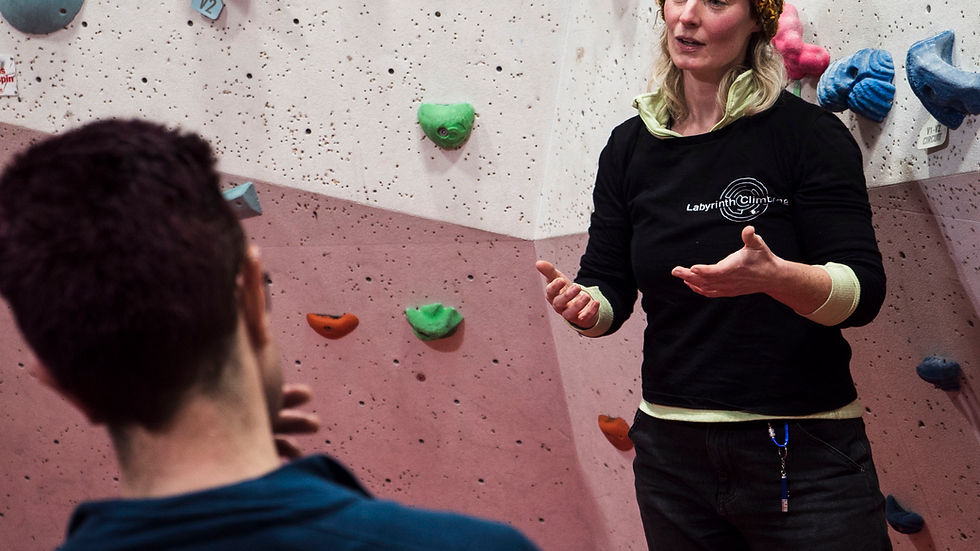
Competition climbing is meant to be fun. But anyone who has competed — from recreational climbers to elite athletes — knows that competitions can come with pressure to perform. This pressure can reduce enjoyment, increase anxiety, and sometimes even hinder our performance.
Interestingly, pressure itself isn’t always the problem. How we interpret and manage it often determines whether it helps or hinders our performance. One powerful way sport psychologists assist athletes in working with pressure is through goal setting.
I’ll be sharing a short talk at BOFF on how climbers can set goals that improve both performance and enjoyment — without needing to climb harder or train more.
Understanding Competition Goals
Most climbers naturally set performance goals. These might include:
Making finals
Podium finishes
Avoiding last place
Finishing in the top 20
While these goals can be motivating, they are largely outside of your control. You can’t control:
Who shows up
What problems are set
How others perform
Where you place on the day
You can prepare well, but in the moment, the outcome isn’t yours to control. When our goals depend on uncontrollable outcomes, pressure increases, and enjoyment often drops.
A Different Approach: Focus on What You Control
Instead of focusing solely on outcomes, athletes can set process goals. These are goals about how you perform rather than what result you achieve.
Process goals focus on:
Behaviours
Effort
Learning
Decisions
Actions between attempts
These are fully within your control. By concentrating on what you can influence, you can reduce anxiety and enhance your overall experience.
The Overlooked Moments in Competitions
One of the most overlooked moments in competition climbing is what happens between attempts.
During rests, climbers often:
Worry about their ranking
Compare themselves to others
Replay mistakes in their minds
Spiral into self-criticism
None of these thoughts help performance — and none are controllable. However, this time can be used intentionally to support learning, focus, and connection.
At BOFF, I’ll share practical ways climbers can use rest periods to:
Reflect constructively rather than ruminate
Make clear plans for their next attempts
Learn from others’ beta
Connect with fellow climbers
Track meaningful process goals
Why This Matters for Every Climber
This isn’t just for elite competitors. The same principles apply whether you’re competing internationally, regionally, or just trying your first competition.
When goals focus on process:
Pressure reduces
Learning increases
Enjoyment improves
Performance often follows
Importantly, competitions become richer experiences than simply “did I send or not?”
Want the Practical Framework?
My free 10-minute talk at BOFF will cover:
✓ How to choose effective process goals for competitions
✓ Examples specific to bouldering competitions
✓ Simple ways to track and reflect on goals
✓ How to balance performance goals with enjoyment
Saturday 7th March 2026 — BOFF, Bristol. Free to attend.
Come along if you want competitions to feel more focused, more enjoyable, and more within your control.
The Power of Mindset in Competition Climbing
Understanding the importance of mindset is crucial for any athlete. Our thoughts and beliefs can significantly influence our performance. When we adopt a positive mindset, we open ourselves up to greater possibilities.
Building Resilience
Resilience is key in competition climbing. It allows us to bounce back from setbacks and maintain our focus. By setting process goals, we cultivate resilience. We learn to appreciate the journey rather than fixating solely on the outcome.
Embracing the Journey
Every climb is an opportunity to learn. Embracing the journey can transform our experience. Instead of viewing competitions as a test of our worth, we can see them as a chance to grow.
Connecting with Others
Climbing is often a communal sport. Building connections with fellow climbers can enhance our experience. Sharing insights, strategies, and encouragement can create a supportive environment.
Conclusion
In conclusion, mastering your mindset is essential for enhancing your competition climbing performance. By focusing on process goals, building resilience, and embracing the journey, you can transform your experience.
Join me at BOFF for practical strategies that will help you navigate the pressures of competition climbing. Let’s work together to make your climbing experience more enjoyable and fulfilling.
See you there!


Comments